Wednesday, May 24, 2017

Cardboard Play Structures

I'm a big fan of Mr. McGroovy's box rivets, they let you make all different sizes of cardboard creations without needing all giant appliance boxes. I think the biggest of any of the boxes below was 2ft x 4ft. The rivets are reusable, though I'd say about 60% of the ones I try to pull apart do so without breaking. Still, a single $20 box of them has gotten us through 4 different builds.  I use a sharpish phillips-head screwdriver to make the holes in the boxes for the rivets. I find it makes the most secure structures if you use multiple layers of cardboard. The first  build with our set was a gingerbread house that my supervisor made. Next I created a Magic Tree House for a program to mark the author's birthday. I wanted to get some height so I stacked up a number of pallets I found in the basement, including a handy plywood platform that made it so kids wouldn't fall through the slats. That ended up being played in and loved for about three months. The tree was something a coworker had made as a thankful tree for thanksgiving. During my program the kids made "boards" and leaves to decorate it.
At some point the roof caved in and I took it off, I was suddenly deluged with dozens of concerned  kids begging me not to take it down. Instead we decided to just keep going and I made this pirate ship. I know, it looks a bit like a tugboat, but the flag and figurehead made by our ace artist library assistant help sell it. This was also very popular but the pallets it's on were incredibly noisy, since we only had one platform and the pallets were more spread out there was a combination of individual planking and cardboard flooring to make it safer. I added some heavy duty cardboard tubes leftover from Muggle Quidditch to give the top some extra support and there's a box acting a little like a chimney in the back to further support the roof. Having something to go inside was clearly very important to them with the tree house so I needed to maintain that.  
Once the pirate ship started getting worn out my coworker requested a fire truck. We decided to scale down with it and go to just one pallet. We uncovered some old foamcore displays and used a few pieces to make flooring. Since the firetruck is smaller only small children can stand on that part and falling through the pallet slats is alleviated by the foamcore. The pièce de résistance was an old plastic tray from some long ago platter that I cut a hole in the middle of and used a rivet to attach it a small box to act as a real spinning steering wheel for the firetruck. We ended up painting the firetruck red in a program and I have to say it really didn't help it. I've heard latex paint used for interior walls is really the best to use on cardboard. We used tempera and it just ended up very transparent and kind of rusty looking. It also dampened the cardboard a lot, cutting down on the clean lines. I moved on from this position before creating another structure, I hope someone else picked up the torch because the kids really loved playing in them. 

Monday, May 22, 2017

Farm in the Library

We are extremely lucky to have a magnet school in our community that focuses on urban farming. They've been great partners for programming, whether it was lending us cornstalks for a popcorn program or bringing in different experiences for our kiddos. Here are a few of my favorite farm encounters I've been a part of:

Grow, Eat, Grow!
For the summer reading theme year that focused on health and fitness we had an outreach person from the farm come with fresh veggies, picked that morning, and seeds. We tried zucchini, yellow squash, green beans, and carrots. I made some quick cheesy zucchini in the office toaster oven, just slice it in half length-wise, brush with olive oil, sprinkle with salt, pepper, and cheese (I use parmesan for myself, mozzarella for the kids). We sat in a big circle and the kids got to hold different seeds, smell them, talk about them, and then examine the veggies. Many tried things their parents said they avoid at home. Most of the kids loved the cheesy zucchini. It was a really simple but effective program for kids of all ages.


Llama in the Library
This one wasn't with the high school, it was a local farmer that does school visits with her llamas. In the scheme of outside programs it was pretty economical and it's pretty eye-catching to have a llama in the second floor children's room. I didn't plan this one, my coworker organized it but I ended up being the one overseeing it on the day of.
A few details particularly exciting to me:
-the llama arrived in a minivan with the seats taken out, much easier to maneuver than a truck or trailer
-it wasn't used to be high up, so it spent most of the time staring out our windows at the unusual perspective of the outside
-it made this quiet humming-groaning noise the whole time
-llamas only spit at other llamas, never at humans

It was really friendly and in addition to a story, details on llama goods, passing around yarn and other items, the farmer let everyone pet the llama and take their pictures with it.


Year of the Rooster
We have these laminated cards we show the kids at class visits talking about the different kinds of programs we have. One has a picture of a chicken visiting the library. All the kids think it's awesome and from the beginning of my tenure I longed to have a chicken visit the library again. It took over a year to find just the right timing for the farm high school and the library. When I saw that this was the year of the rooster in the Chinese zodiac, I knew I had to have a rooster come to the library to celebrate the Lunar New Year. We have a high number of Chinese families that attend our programs. We had to shuffle things around last minute but managed to schedule the rooster for the last weekend of the New Year celebrations. My first question when booking the rooster was are roosters even ok to meet? Are they aggressive? I was told they can be but the one at the farm was great with kids. And was he ever! Hatched at a daycare in a nearby town that doesn't allow roosters, only hens, Gertie was used to being in a classroom setting. The outreach person from the farm talked a little about roosters and then answered a deluge of questions. Everyone got a chance to pet him and hold him if they wanted. He was very patient and beautiful.

We even had a local online news outlet there covering it. I gave out a handout with all of the Chinese Zodiac animals on it and everyone figured out there personal one. We decorated cartoon zodiac paper lanterns printed out on red paper, using pipe cleaners and gold pens, I did the cutting beforehand because it's unlucky to cut things during Lunar New Year. I had an artistic library assistant put some greetings in Chinese pictographs on the wipeboard for people to copy. It was a fun combination of animal and cultural programs.

3D Design and Printing: a New Chess Set

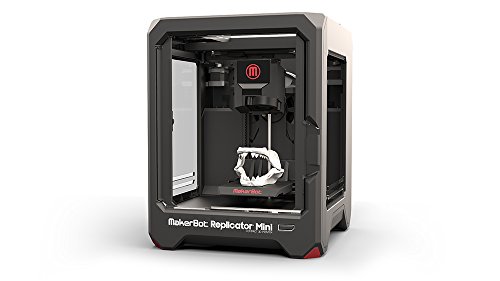
Image result for makerbot miniMy undergraduate degree is in theater design, so I actually have training in CAD, including a quarter spent learning 3DViz, a professional 3D program that architects used at the time I learned it, which was not that recently. I find it really exciting that I get to pull from that knowledge now in teaching kids 3D printing on the junior version by the same company, Tinkercad. The library system had one small Makerbot Mini that had been given to us by a grant from a local company, specifically for kids programs. Embracing our library's 3D printer was one of the things that helped me get noticed and move rapidly from part time to full time. Traditionally the elementary services librarian at my library has been the one in charge of the 3D printer and having tech classes for kids, so I knew I needed to have something great as one of my first few months of programs in that position. Previously the library had done intro classes that consisted of designing a cup and more complicated ones creating a lamp. The intro classes I ran at my branch were the basics involved in designing a house or castle. With a robust chess club as another of my main regular duties I was inspired to have the kids work together in designing a new chess set.

Rather than just make this a Tinkercad how-to I decided to really teach them about the stages of design. I booked our tech classroom and registered kids, 9 total, with a caregiver, ages 5 to 12. I called everyone two days before, got across-the-board assurances they would come and then ended up with six kids. This is why I hate registration for programs. Anyways, six was a great number. The program was 90 minutes and I broke it up into several phases: Research, Brainstorm, Design, and Re-design.

Research
I started by showing them some images of ancient chess sets, the current standard set (called the Staunton chess set) and the images from Elgin marbles and architecture in London that inspired its designer in the 1800's in London. I talked about how the designer was inspired by his city. Then we took a look at some of the far-out designs for chess sets on Thingiverse.

Brainstorm
We brainstormed different visual themes for our board. Animals, fruits and tv characters made the board. I talked about the steps it takes to design complex pieces and suggested we try something a little more simple since it was most students' first attempts with Tinkercad. Since New Haven is known as Elm City and the town green is in front of the library I suggested trees as a theme. We then brainstormed some more for what each piece could be in our theme finally settling on:
Pawn- leaf
Rook- Tree Stump
Knight- Squirrel
Bishop- Christmas Tree
Queen- Birch Tree
King- Oak Tree

Design
Finally it was time to crack open Tinkercad. I showed them the basics. We divvied up the pieces, see, 6 was perfect! The kids went back to the research phase individually and looked at some pictures to help them come up with their design.Their designs were about as diverse as their age range. My plan had always been to tweak what they came up with to get our end set. 3/4s of the designs needed very few changes, two kids obviously sort of missed the boat on the concept. Many of the kids were incredibly creative, my favorite is the squirrel knight which has a 6 for a tail! Here are their designs:


Re-Design
We talked about how you don't just come up with one idea in design, toss the pieces on the workplane and it's perfect. Instead you come up with the idea and try and try and try until you find the pieces that work together best. I used my nametag as an example (it's a frame that the paper nametag that goes into our regular lanyard covers fits into), it took me several tries to get the owl right, I scrapped whole completed designs for it. We also talked about how the Makerbot Mini was created as a prototype machine, as it only uses a brittle plastic filament rather than making things out of hardier materials like metal. It's meant to test out ideas that you would then manufacture somewhere else.
I completed the main re-design of course, on my own over the next few weeks. I borrowed from Thingiverse for the rook and the king, mostly using a stump I found wholly designed for the rook but just using a more intricate oak leaf that I incorporated into a larger design for the king. I used the height for standard pieces from the chess entry on Wikipedia, even though this would never be a tournament set. I used the child's squirrel knight design with only the change of making it stand up to mimic the posture of the classic knight.
Here's the finished set, I'm pretty proud of it and the kids should be too:

Dinovember!

Inspired by the mischievous dinosaurs that visit the Tuma family in Novemeber, I threw a celebration of all things dinosaur. We made foam dinosaur foot covers, hatched dinosaur eggs, had a dinosaur count contest, and learned about how fossils are created with yummy pudding parfaits. This was my priciest program of the fall, about $60. We are fortunate to be down the street from the Yale Peabody Museum of Natural History and this was the first time we took advantage of their Peabody on the Road program. They sent two volunteer docents and two large tables-worth of hands-on exhibits from the museum. Every time I was able to sneak into the main room where they were set up the table was packed. They have four kits to choose between and had just debuted the perfect one for my program: the evolution of birds into dinosaurs.


In our program room I had four activities for the kids:

Hatching Dinosaur Eggs
I got a bag of small plastic dinosaurs from Amazon and made about 30 eggs. After much inner debate about sand-coffe-ground-etc... and all of the many recipes I found on Pinterest, I went with a simple baking soda and water recipe. I can't find my notes for the ratio I ended up with, I think it was something like 2 cups of water to 1 1/3 cups of baking soda, but I tested it at home and it was different at work. I got two five-pound bags of baking soda at Target but I only used one. You just mix them together until you get a moldable consistency. I added some green food coloring to the water but it didn't come through strongly in the final eggs. The ones I made at home hardened nicely over about three days. The ones at work (where the heat is stronger and dryer) flaked as they hardened, which made them look scaly. The kids then used toy hammers and eye droppers with vinegar to break them apart and reveal the dinosaurs inside. This was messy but really fun.

Dino-feet
I got a big pack of colored foam from Michael's and made a couple of laminated templates. We bought some tiara and pirate hat kits from Oriental Trading in October and they have provided a huge wealth of stick-on foam shapes from jewels to geometric shapes to letters. The big trick to these I only figured out from viewing a number of blogs about making them is to have the back part of the dinofoot go under the shoe, many showed these as being pulled up so it was kind of a like a huge anklet but it's hard to get a hole that will go over a shoe. The template is pretty easy but you can find a printable one here
Fossil Dig
What's a big party without a snack? These are basically dirt cups with pudding and crushed graham cracker pieces (both chocolate and regular) and a few dino gummies (again from Amazon). I had a printout that talked about how sediment forms on top of dinosaur remains to make fossils. After much math and consternation in the pudding aisle of the grocery store I realized that the single-serve snack packs were cheaper than making up a bunch of the cold instant stuff, also worked better labor-wise and to accommodate whatever level of attendance we have (always hard to gauge at my library).
Dinosaurs on the brain
The last station was just a simple game. I have a glass head I bought from Pier One Imports a few years ago (something like $15 on sale) to hold my pro headphones I use for audiobook work (if they don't stay stretched they pinch my head). I've used it a few times at the library, for a how-many-LEGOS challenge and for a mad science display. It's nice because even smarty kids or parents who try to game the guessing game can't really work with the distortion provided by the glass. I put a bunch of medium sized vinyl dinosaurs from a story time kit inside along with my leftover small plastic ones, I think it ended up being 36. I had two kids guess the right number and they got a book that had been donated to the library about dinosaurs and a little glowing plastic fossil puzzle from the dollar tree.


Here's a link to a pdf of the signs for each station (except the dino-feet, it was pretty self-explanatory) 

Wednesday, March 22, 2017

Bring Peace to Earth: Making a Difference with Maathai and a 10-year-old non-profiteer

It was December and I wanted to be seasonal but not limiting myself to the one holiday or belief structure. So I decided to go with Peace. I set up my program early in November to make sure I could get all the pieces in place. My December display was our large tree bulletin board so I decorated our now-bare tree with lights and ornaments depicting different peace symbols from various cultures around the world (separate post all about that display to come). I named my program Bring Peace to Earth and wanted to talk about people who've made a difference in the world.

AnyRefugee
The flashiest part of this program was the AnyRefugee program, which a ten-year-old Alaskan boy created to help kids send postcards to refugee children all over the world.

The Jesuit Refugee Organization distributes them for him now and anyone can send cards. In the blog on the AnyRefugee site William talks about groups he's spoken to, including via Skype, so I decided to reach out to him and see if would be able to talk to use during our afternoon program. Once he was lined up I created a template for our postcards and made up my own as an example. We have a lot of very young regulars in our programs and many children for whom English is not their first language, so I made up a quick sign with phrases they might like to use, such as "I am thinking about you. I care about you. Don't give up. I am here for you."  I hoped that talking to William would give us some tips about what to write, since he'd visited refugee camps himself. Our conversation ended up being fairly short, but he told us a little bit about why he created the organization and what it was like to give kids cards. Our kids didn't have any questions for him but they were very quiet and paid close attention, which is a good sign.
I had a back-up of several videos about children refugees in case something happened and our talk with William fell through. I had reached out to him to verify our details and send him my Skype profile a few times with no response, so I was relieved when I just signed on at the right time and he was there. Since our conversation was short and the computer was already set up, we watched this video about child refugees making drawings of their dreams. It's not too frightening but is very effective at showing what it's like for children who flee their homes.


Since it was just one part of a program I just went with markers and colored pencils for making our postcards. The kids came up with some great stuff, my favorite included "If I can change the world, I will help you, give you a home".   
I added a display in the children's room and kept open the request for postcards for a month. Then I sent them all in one envelope to the address provided on the website. I was absolutely thrilled to receive a response in May with a card hand-made by an adult refugee and written by the Jesuit who distributed our cards. The children he gave them to, at the Kahuma Refugee Camp in Northern Kenya, from South Sudan and Ethiopia, wanted to write back to us and they each wrote messages in response. I made up this display for everyone to enjoy the responses and learn about the Refugee crisis, including tips on talking to kids about it. A boy replied to my postcard with the incredible message "I am here for you, strong, strong, strong and never give up."

Wangari Maathai and Her Trees
I was a little concerned about the appeal of a program for kids about refugees, so I decided I needed to add a snack component to get them hooked. But I like being matchy and themed, so I decided to expand my study of individuals making a difference to Wangari Maathai, who helped reforest Kenya. We would make chocolate covered pretzel trees that the kids could decorate, the general idea of which I got off of Pinterest. Because they needed time for the chocolate to harden, we actually made the trees first, then talked to William and worked on our postcards, and they were allowed to have their trees after the postcards were finished. I read Wangari's Trees of Peace by Jeanette Winter while they drew their postcards, they were really impressed by the number of trees attributed to her efforts.


 After sourcing pretzel rods on the Internet and seeing people complain about the quantity that arrived broken, I just went to Target and got a good deal on two bags of large pretzel rods. They also had some great holly leaf and red sprinkle decorations. I used green chocolate melts from Michaels for the chocolate. 

I had read about using a hot water bath in an electric skillet to keep chocolate melts liquid for dipping and it sounded like a good way to keep it around for numerous kids. Our teen librarian had purchased a good, deep electric skillet for programs and I brought in some 8 oz ball jelly jars to see if I was able to melt enough chocolate and keep it liquid for kids to dip, without anything getting too dangerously hot. I tested the process out before the event to make sure it would work safely (and deliciously). Even though we could only get a few inches of chocolate, it was easy to tilt the jars so that they could get a good 1/3 to half of the tree dipped. I  handled the jars with a kitchen towel, they were hot to the touch but only on the bottoms, and had the kids reach in with the pretzels. I kept a few jars going and swapped them out of the hot water bath as needed to keep them liquid. I used those little plastic condiment cups you can get in big packs at the grocery store to pre-measure a reasonable amount of decorations for each kid. I let each kid do two pretzels but had supplies left over at the end for them to do more. 

In keeping with my theme I suggested they could eat one pretzel themselves and save the other one to give to someone, maybe a friend or family member, or maybe even someone they don't get along with or don't know well, to promote peace. A casual poll of participants suggested that was not going to happen, but hey, at least I put the idea out there. I had a bunch of plastic holiday treat bags at home that I brought in, cutting them in half and then taping them up to double the number, then gave them these to hold their finished pretzels. 

The kids were very attentive in the whole program and while they didn't speak up much, I felt like the fact they stayed with it said something and hopefully the program helped them think about some new concepts and possibilities. The chocolate making was a lot of fun and I have loads of ideas about future candy making programs. 

Tuesday, September 27, 2016

Muggle Quidditch

I have a year's backlog of programs to enter, so I'm going to do them in no particular order. I thought I'd start with my Quidditch program because it went really well and it's the kind of thing that works well in October and with a new Harry Potter world movie opening up in November.

I'm not very sporty, I don't play any sports, I don't watch any sports, so I had some trouble really feeling this past year's summer reading theme. But I love Harry Potter and the combination of books and sports seemed like a perfect fit for the library. I held it the Tuesday after Harry's birthday (July 31) and the release of the Harry Potter play. I had really hoped to bring a collegiate Quidditch player in to lead some drills and talk about playing Quidditch in the real world, but none of the teams I reached out had players hanging around for the summer. So it was just me. I also knew I wanted to make brooms.

Making Brooms

There are tons of things on Pinterest and the Internets and Instructables on great ways to make brooms. Wizarding cosplay aside, the main function of the broom in Muggle Quidditch is to be a kind of fun hindrance when running and managing the ball. One of the most popular methods of making brooms is using pool noodles. It wasn't really in my budget to buy noodles so I went looking for other materials. I considered duct taping paper towel tubes together but then decided to try our local recycle store to see if they had any large cardboard tubes and did they ever! EcoWorks is just a few blocks from the library and they collect leftover items from industrial and commercial businesses as well as individuals and then sells them at an extra low cost, specifically intended for educators. They have everything from tile samples to bolts of cloth to random knitting needles. I think these are becoming a popular thing, so definitely check to see if there's a similar organization in your area. I think these tubes were probably from a company that uses large rolls of paper or some other kind of material, you could also try going to businesses directly. The tubes I got were a bit over 5 feet long and I figured I could cut them in half (somehow) and get two brooms out of each one. I got 12 and they were 25 cents a piece, a pretty awesome deal. I ended up using a very old hacksaw to cut them in half (paper dulls blades fast, so you won't want to use a new blade on something like this) without too much trouble.

Next was the bristle part of the broom. I originally cut out pieces of yellow paper to be rolled around the end of the tube but then I found a roll of yellow vinyl, like you would use as a tablecloth, and it was perfect. We have a big selection of fun patterned duct tape so the kids could really personalize their brooms when taping on the bristles.  

I made a paper with broom names from the Harry Potter books/movies/videogames using information from Muggles’ Guide to Harry Potter from wikibooks.org so that kids could give their brooms authentic names if they wanted. 

I used some large printable mailing labels we had lying around to make big stickers (cut out by volunteers) for decorating the brooms. There were clouds, comets, firebolts, and shooting stars, some in color, some the kids could color in if they wanted. We had markers they could use to write the name of the broom on the handle. For mine I actually went over the name in glitter but decided that we wouldn't be able to do that in the program because they wouldn't be able to dry in time for us to play Quidditch with them. I went with the Comet 260, being a Tonks fan. This picture is before I switched to the plastic vinyl bristles. 


As the kids finished their brooms I had them practice moving around the room with them between their legs until everyone was finished. I was relieved that this part went pretty quickly. We had a range of kids from 5 to 12 and I had two teen volunteers and some parents that helped with assembly. I made sure to run around with my broom a little first to kind of break the "looking like a crazy person" ice. They got the hang of it quick.

The Rest of the Equipment

The US Quidditch equipment requirements stipulate using 1 semi-deflated volleyball as a quaffle and 3 semi-deflated kickballs as bludgers. For goals they suggest taping hula hoops to chairs or whatever you've got that will hold them up high, an official game has 6 hoops. I had high hopes of borrowing balls from parks and rec in our city but never was able to get anyone to answer me. Instead I purchased two volleyballs and 2 rubber balls from 5 and Below, this was the most expensive part of my program but now we have them for future uses. We already had two 4-square balls which I also used.  I used a paperclip to deflate the balls until the were pretty easy to grip one handed, since I didn't know where our pump was. I duck taped three hula hoops to the tops of chairs, another branch had them laying around. Our program room wasn't really big enough for a full Quidditch field. 

Playing Quidditch

We ran three drills:

  • The first was a simple maneuvering exercise. I put 6 chairs in two long rows and we slalomed around them several times. 
  • Next we practiced passing. We got in two separate lines and two kids at a time side-stepped down the room with their brooms throwing a quaffle back and forth.
  • The last drill we did was shooting. One of our teen helpers acted as keeper and we lined up half way across the room and everyone got a three chances to get the quaffle through a hoop. I had to get the teen to ease up on the kids a bit, but otherwise it went smoothly. 
There are lot of drills available on YouTube and through US Quidditch, most of them are adapted from soccer and rugby.

I hadn't planned on playing a full game but the kids really wanted to scrimmage. I printed out this wonderful handout from US Quidditch with the rules and game play on it for kids to take home and through some trial and error, we played a heavily modified game. The US Quidditch website has a lot of tips on playing Quidditch with different age groups. 


We broke into two teams, I think we had seven on each side. I put a teen on each team to help, they continued to play the keepers because I was most concerned about the safety of that position. We gave out two bludgers to each team and a quaffle to each team. We placed one hoop at each end of the room. I stood on the sideline of the center of the room. The rules were that the bludgers could tag anyone who crossed the center of the room and came  on the side with your goal. If you were tagged with the bludger you had to return to your end of the room, kind of like home base. There was no throwing of bludgers, just using them to tag kids, I was very firm on this and had to remind the kids a lot. The beaters (kids with the bludgers) were the only ones who used them. All of the other kids had to try to get the quaffles down the field and into the goals. They had a really hard time grasping strategy but the teens were able to kind of take control and had a few huddles to help them out. I won't lie, there were some direct hits to faces, balls were flying everywhere, some kids tripped flat out on the floor, but there were no tears, no blood, no bruises. The deflated balls and relative strength of 5 to 9 year olds kept it fairly safe and bloodless. I consider this to be the major success of the program- no injuries!


The kids had a blast, there were strips of yellow plastic all over the floor, kids were reminded that their brooms were not for hitting and anyone seen hitting someone with a broom in the library would be asked to leave, no warnings, and things seemed to work out fine.